Decoding the Globe’s Ultimate Comfort Food with 20 Essential Noodle Types, Their Origins, and Perfect Pairings
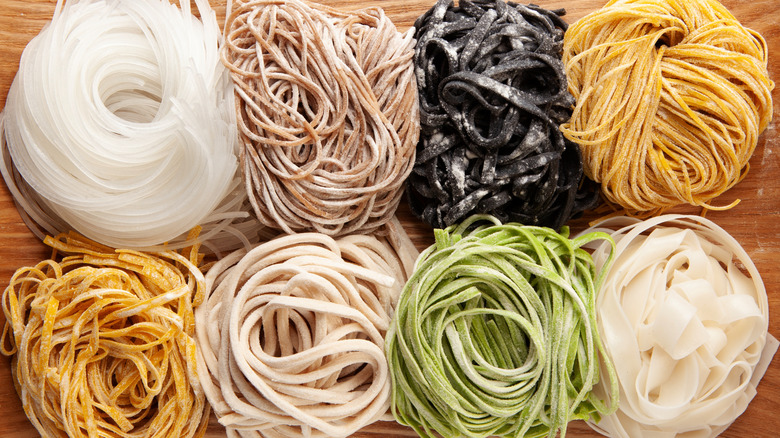
From the bustling street stalls of Asia to the cozy trattorias of Italy, the noodle is a universal symbol of comfort, sustenance, and culinary artistry. While we often group them simply as “noodles” or “pasta,” the sheer diversity in their composition, shape, and preparation techniques reveals a rich tapestry of global food culture.
Whether they’re made of wheat, rice, buckwheat, or sweet potato, each strand tells a story. This guide explores 20 essential types of noodles—both Asian and Western—to help you distinguish between a chewy ramen and a delicate vermicelli, and know exactly which noodle to reach for in your next culinary adventure.
I. The Wheat Wonders (The Chewy & Versatile Base)
The most common noodle category, these are typically made from wheat flour, water, and sometimes eggs or an alkaline agent (kansui) for texture.
| # | Noodle Name | Origin & Composition | Key Features & Texture | Best Served In |
| 1 | Ramen | Japan (from Chinese lamian); Wheat flour, water, kansui (alkaline salts). | Thin, curly or straight, firm, and intensely chewy. The kansui gives it a yellowish hue and springy texture. | Rich, salty broths (Shoyu, Miso, Tonkotsu) |
| 2 | Udon | Japan; Thick wheat flour and water. | Very thick, smooth, and dense. Known for its soft, incredibly chewy, and bouncy texture. Neutral flavor. | Hot dashi broth, cold with dipping sauce, or stir-fries (Yaki Udon). |
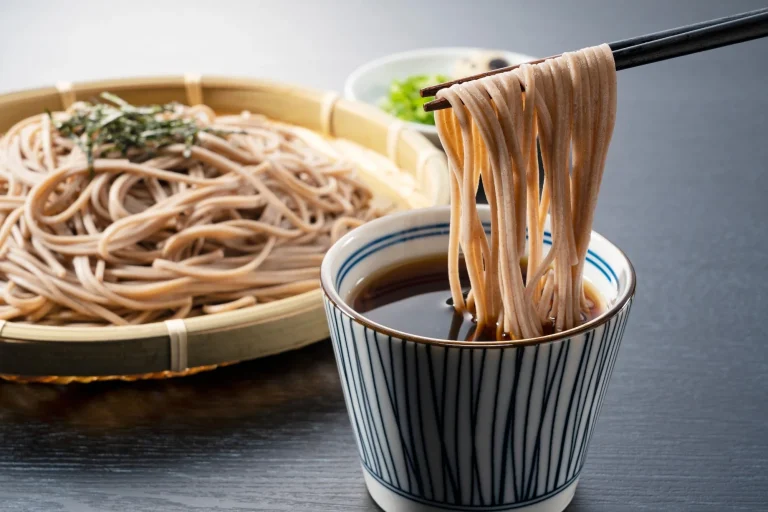
| 3 | Soba | Japan; Buckwheat flour (often mixed with wheat). | Thin, grayish-brown, and slightly rough. Nutty, earthy flavor due to the buckwheat content. | Served cold with tsuyu dipping sauce, or hot in light broths. |
| 4 | Lo Mein | China (Cantonese); Wheat flour and egg. | Medium-thick, round, and slightly chewy. Sold fresh or dried. Soft and dense when cooked. | Tossed with thick, savory sauces and mixed with meat/vegetables. |
| 5 | Chow Mein | China (Cantonese); Wheat flour and egg (often the same as Lo Mein). | Thin to medium, long. The name refers to the preparation method (fried). | Stir-fried until part of the noodles are crispy (Hong Kong style) or soft-fried (American-Chinese style). |
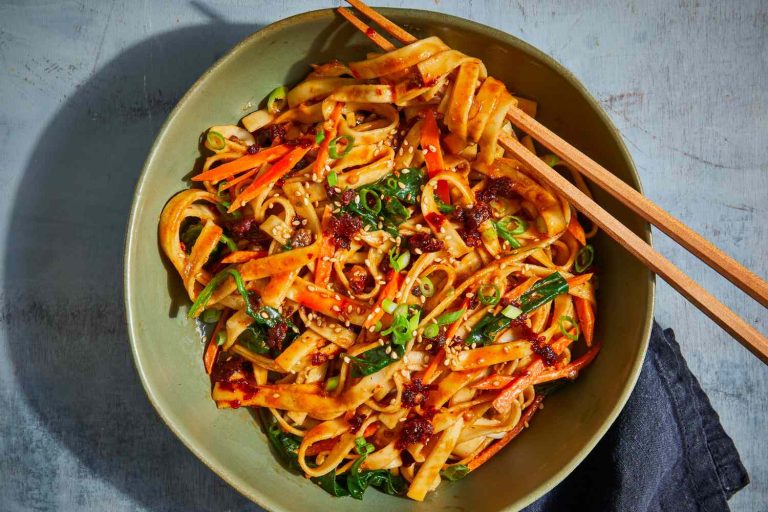
| 6 | Hand-Pulled Noodles (Lamian) | China (Lanzhou); Wheat flour, water, and sometimes alkaline salts. | Varies greatly in thickness (from thin threads to wide belts). Extremely chewy and soft, with an irregular texture. | Served fresh in aromatic broths (Lanzhou Beef Noodle Soup) or saucy stir-fries. |
| 7 | Somen | Japan; Very thin wheat flour. | Extremely fine, white, and delicate threads, thinner than angel hair pasta. | Primarily served cold during summer with a chilled dipping sauce. |
II. The Rice and Starch Strands (The Slippery & Transparent)
These are naturally gluten-free and have a smooth, often translucent, and sometimes slippery texture.
| # | Noodle Name | Origin & Composition | Key Features & Texture | Best Served In |
| 8 | Bánh Phở (Pho Noodles) | Vietnam; Flat rice flour and water. | Flat, white, and varying in width (thin to wide). Very light, slippery, and delicate texture. | Classic Vietnamese beef or chicken Pho soup. |
| 9 | Rice Vermicelli (Mi Fen/Bún) | Southern China/Southeast Asia; Thin rice flour and water. | Very fine, thin, white, and hair-like strands. Slightly brittle when dry, light and springy when cooked. | Cold noodle salads (Vietnamese Bún), light soups, or stir-fries (Singapore Noodles). |
| 10 | Ho Fun (Shahe Fen) | Southern China (Guangdong); Wide, flat rice flour and water. | Very wide, thick, and flat. Soft, chewy, and slightly slippery texture that holds up well to high-heat cooking. | Stir-fries (Chow Fun) or in broths with thick, starchy sauces. |
| 11 | Glass Noodles (Cellophane Noodles) | China/Korea/Southeast Asia; Starch (Mung bean, potato, or sweet potato). | Thin, round, and become fully transparent (“glass-like”) when cooked. Very soft and elastic/rubbery texture. | Stir-fries (Korean Japchae), spring rolls, or used in hot pots and soups. |
| 12 | Dangmyeon (Korean Glass Noodles) | Korea; Sweet potato starch. | Thicker than traditional glass noodles. Becomes transparent and very bouncy/chewy when cooked. | Korean Japchae (stir-fried sweet potato noodles) and various soups. |
| 13 | Kelp Noodles | Asia (often Korea); Extracted from kelp/seaweed. | Clear, crunchy, and slightly stiff. Virtually no calories or carbs. | Used raw in cold salads, often with peanut or sesame dressings. |
III. Italian Pasta (The Global Standard)
While technically all pasta is a type of noodle, Italian varieties are distinct for their durum wheat semolina base and focus on shape and sauce-holding capability.
| # | Noodle Name | Origin & Composition | Key Features & Texture | Best Served In |
| 14 | Spaghetti | Italy; Long, round, solid durum wheat semolina. | Medium thickness, smooth, and cylindrical. The standard long pasta shape. | Tomato and meat sauces (Marinara, Bolognese), or oil-based sauces. |
| 15 | Fettuccine | Italy; Long, flat ribbon-shaped pasta, often contains egg. | Flat, wide ribbon shape, thicker than linguine. Holds rich, heavy sauces well. | Cream-based sauces, particularly Alfredo. |
| 16 | Lasagne | Italy; Wide, flat sheets of pasta, often with ridged edges. | Large sheets designed for layering. Soft, dense, and holds its shape when baked. | Baked dishes layered with meat ragu, béchamel, and cheese. |
| 17 | Bucatini | Italy (Rome); Long, round, with a hollow center. | Thicker than spaghetti with a tiny hole running through the middle (like a drinking straw). | Thicker, butter- or oil-based sauces, as the hole holds the sauce inside. |
IV. Specialty & Regional Varieties
These are highly unique, often defining a specific regional cuisine or preparation method.
| # | Noodle Name | Origin & Composition | Key Features & Texture | Best Served In |
| 18 | Mee Sua (Mian Xian) | China (Fujian); Extremely fine, thin wheat flour. | Thin as thread, often sold pressed into cakes. Soft and easily absorbed by the broth. | In delicate soups for celebrations (e.g., Taiwanese Birthday Noodles), often with braised pork. |
| 19 | Shirataki Noodles | Japan; Konjac yam root. | Thin, translucent, and nearly gelatinous. Almost zero calories and very little flavor—they absorb the surrounding liquid’s taste. | Used in Japanese stews (Sukiyaki) or as a low-carb pasta substitute. |
| 20 | Spaetzle | Germany/Central Europe; A soft, irregular batter of flour, eggs, and milk. | Small, soft, and irregularly shaped dumplings/noodles, often with a rough texture. | Served as a side dish, often pan-fried with butter, or alongside meat dishes with heavy gravy. |
The next time you’re browsing the international aisle, remember that choosing the right noodle is the first step toward crafting an authentic and delicious meal. The world of noodles is vast—and every bowl is an invitation to explore!
Would you like to learn more about the best techniques for cooking a specific type of noodle from this list, such as Udon or Glass Noodles?